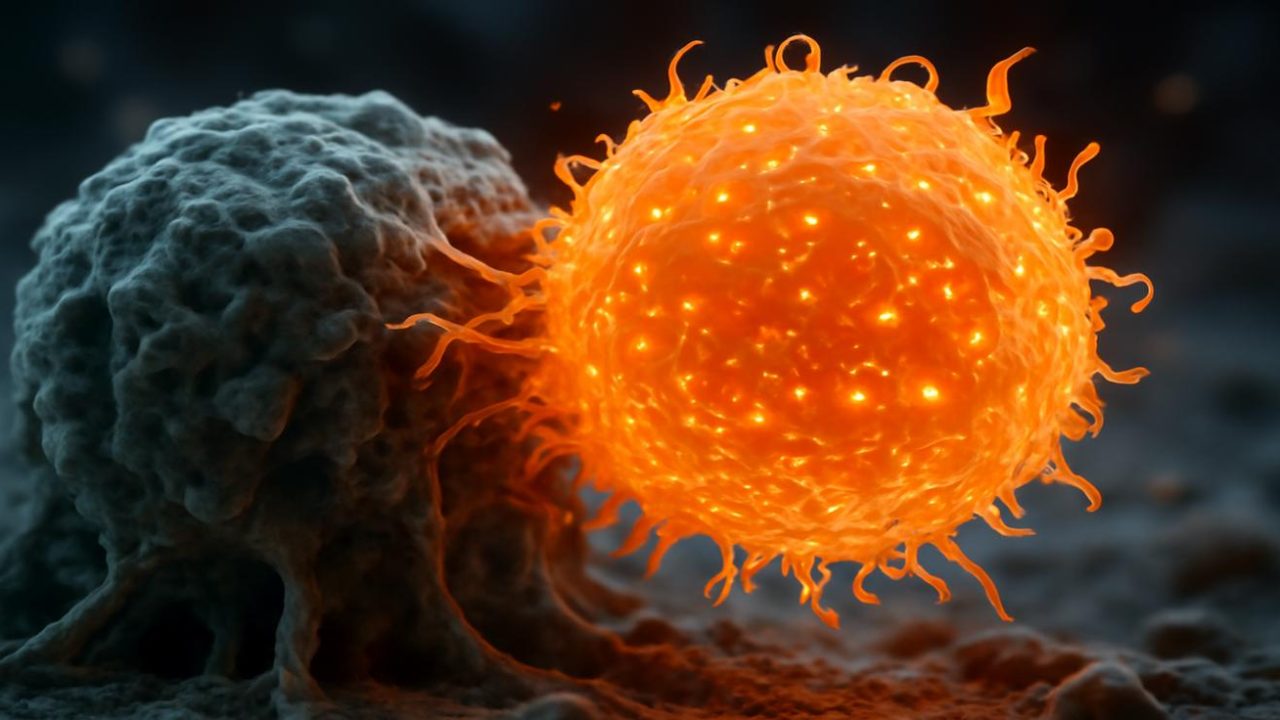
Scientists have discovered a new approach to reactivate exhausted T cells within tumors, potentially offering a breakthrough for cancer patients whose immune systems have been silenced by the disease. The research reveals how certain T cells maintain a “poised” state even when others have surrendered to cancer’s molecular manipulation.
The discovery emerged from observing T cells under laboratory conditions, where researchers noticed something remarkable: while most immune cells in tumors become sluggish and unresponsive, a small subset retained readiness to fight. These cells weren’t fully active, but they weren’t completely defeated either.
This finding could transform how doctors approach cancer immunotherapy, moving beyond current checkpoint inhibitors that work for some patients but leave others without effective treatment options.

How Cancer Silences the Body’s Natural Defenses
T cells function as the body’s tireless patrol units, designed to identify and eliminate threats like cancer cells. These immune soldiers possess sophisticated detection systems that can recognize mutated proteins and misplaced cellular signals that indicate trouble.
Under normal circumstances, T cells should easily identify and destroy cancer cells. The immune system’s natural response involves locking onto abnormal cells and launching a coordinated attack to eliminate them.
However, tumors have evolved sophisticated countermeasures. They release molecular signals that essentially whisper soothing lies to approaching T cells, sending messages that translate to “nothing to see here” and “stand down.”
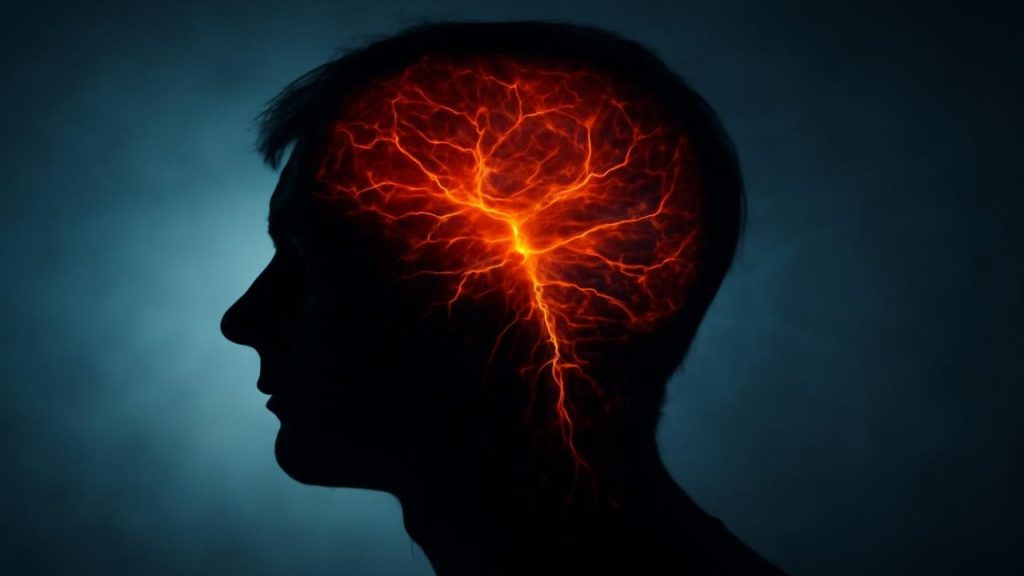
This biochemical manipulation leads T cells into what immunologists call “exhaustion.” Unlike simple fatigue, this represents a forced surrender where cells remain alive and present but become dulled, drained, and unable to perform their protective functions.
The Search for a Better Molecular Alarm Clock
Current cancer immunotherapy relies heavily on checkpoint inhibitors—drugs with names like anti-PD-1 and anti-CTLA-4. These medications work by unlocking doors that tumors have essentially bolted shut on T cells.
While checkpoint inhibitors sometimes produce miraculous results, they fail to help many patients. T cells in numerous tumors remain stubbornly half-asleep despite treatment, leaving doctors and patients frustrated by the unpredictable outcomes.

The research team’s breakthrough came from studying the T cells that seemed different from their exhausted neighbors. Through careful observation, they identified cells that maintained what they described as a “poised” state—as if waiting for a specific signal to spring back into action.
Rather than focusing on the usual on-off switches that control T cell activity, the scientists discovered these special cells responded to an entirely different type of molecular cue. Think of it as finding a master electrical panel that controls power flow throughout a house, rather than just individual light switches.
Key Research Findings and Mechanisms
The laboratory observations revealed several crucial details about how this new activation method works:

- Poised T cells maintain genetic activity patterns distinct from exhausted cells
- These cells display unique surface receptors that respond to different chemical messengers
- The activation mechanism involves electrical shifts in cell membranes
- The response occurs above the level of traditional checkpoint pathways
Scientists mapped the genes that these special T cells switched on and off, tracking their surface receptors and monitoring their responses to various molecular signals. This detailed analysis revealed a pattern that suggested an entirely new therapeutic target.
The research methodology involved using laser pulses to stimulate the cells while monitoring their responses under microscopic observation. When activated properly, the previously sluggish T cells began moving with renewed purpose, their membranes showing increased activity and their internal systems revving back to life.
| T Cell State | Characteristics | Response to Signals |
|---|---|---|
| Normal Active | Full immune function | Strong attack response |
| Exhausted | Dulled, unresponsive | Minimal reaction |
| Poised | Ready but waiting | Responds to new signals |
What This Means for Cancer Treatment
This discovery could significantly expand treatment options for cancer patients, particularly those who haven’t responded well to existing immunotherapies. By targeting the newly identified molecular pathway, doctors might be able to wake up T cells that current drugs cannot reach.

The approach offers hope for patients whose tumors have proven resistant to checkpoint inhibitors. Instead of trying to unlock doors that remain stubbornly sealed, this method essentially provides access to a different entrance entirely.
For the millions of people facing cancer diagnoses each year, this research represents a potential new weapon in the fight against the disease. The ability to reactivate the body’s own immune system could provide treatment options where few currently exist.
The research also suggests that combination therapies might prove more effective than single-drug approaches. By using both traditional checkpoint inhibitors and these new activation signals, doctors might achieve better results across a broader range of patients.

Next Steps in Development and Testing
While the laboratory results appear promising, significant work remains before this discovery becomes available to patients. The research team must continue studying the mechanisms involved and develop ways to safely deliver these activation signals in human patients.
The transition from laboratory observation to clinical treatment typically involves years of additional research and testing. Scientists need to ensure that activating these T cells doesn’t cause harmful side effects or trigger unwanted immune responses.
Future research will likely focus on identifying the specific molecular messengers that can reliably activate poised T cells and developing drug delivery systems that can target these signals directly to tumor sites.

The team’s work represents the kind of fundamental discovery that often leads to breakthrough treatments, but the path from laboratory bench to patient bedside requires careful validation and extensive safety testing.
Frequently Asked Questions
What makes this discovery different from current cancer immunotherapy?
This research identifies a completely new pathway for activating T cells, rather than just removing the barriers that tumors create.
How long before this treatment becomes available to patients?
The timeline for clinical availability has not been specified, as the research is still in early laboratory stages.

Will this work for all types of cancer?
The research doesn’t specify which cancer types might benefit most from this approach.
Could this be combined with existing treatments?
The research suggests combination approaches might be more effective, though specific protocols haven’t been developed.
What are the potential side effects of this approach?
Potential side effects haven’t been determined yet, as safety testing hasn’t begun.
Who conducted this research?
The source material doesn’t identify the specific research institution or lead scientists involved in this discovery.









Leave a Comment