A 43-year-old marketing professional has spent $47,000 on cosmetic procedures since turning 40, yet still experiences the same anxiety about her appearance that drove her to seek treatment in the first place. Her candid account reveals a troubling disconnect between the physical results of cosmetic interventions and their psychological impact.
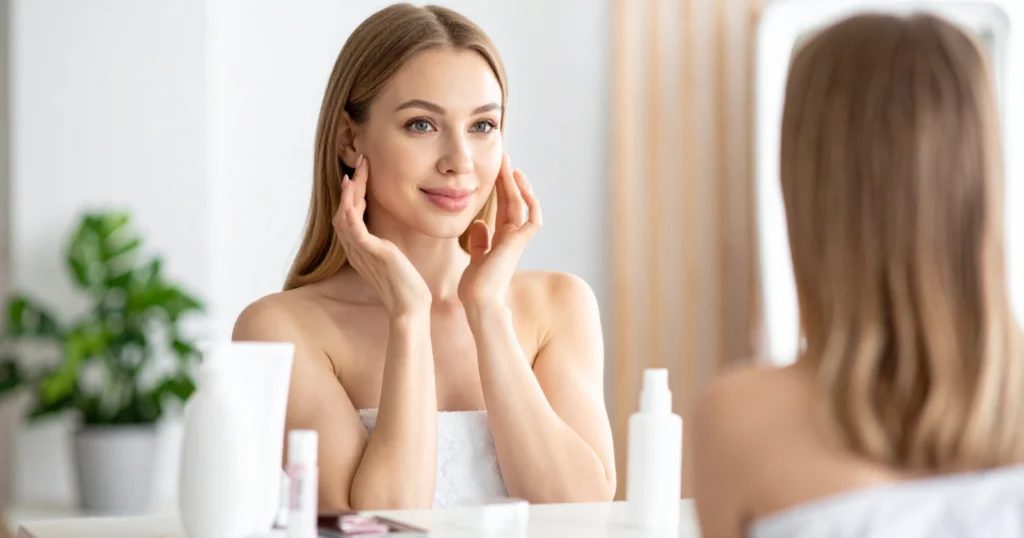
The woman, who shared her story publicly, describes checking her reflection compulsively in every window and shiny surface she passes. Despite achieving the smoother skin and softer lines promised by various treatments, she reports feeling more disconnected from her own appearance than before beginning the procedures.
Her experience highlights a growing concern among mental health professionals about the psychological expectations surrounding cosmetic treatments and their actual outcomes on self-perception and confidence.

The Escalating Cycle of Cosmetic Procedures
The spending began two weeks after her 40th birthday, when she noticed new lines around her eyes that seemed to appear overnight. What started as regular Botox injections every three months quickly expanded into a comprehensive regimen of cosmetic treatments.
Her procedure history includes:
- Botox injections every three months
- Dermal fillers twice yearly
- Thread lift procedures that left her bruised for weeks
- Laser resurfacing treatments
- Radiofrequency treatments for skin tightening
Each procedure was intended to be the final solution, but instead created what she describes as “cosmetic whack-a-mole.” When Botox froze her forehead, her lower face appeared to sag by comparison. When fillers addressed that concern, her cheeks looked disproportionate to her neck.

The treatments themselves worked as advertised. Friends commented that she looked refreshed, though they couldn’t identify exactly what had changed. The physical results met clinical expectations, but the psychological relief remained elusive.
The Hidden Psychology of Cosmetic Enhancement
What emerged from her experience was an unexpected intensification of appearance-focused behavior. Rather than reducing her preoccupation with her looks, the procedures increased her mirror-checking and self-scrutiny.
She now sees not just her original concerns, but someone who invested nearly $50,000 trying to outrun aging. Every reflective surface becomes an opportunity to assess her investment’s performance.

The psychological impact extends beyond simple dissatisfaction. She describes a new form of loneliness—being disconnected from her own face. This differs qualitatively from other types of isolation because it involves the most fundamental aspect of identity: physical self-recognition.
Mental health experts note that this phenomenon isn’t uncommon. The expectation that changing external appearance will resolve internal emotional states often proves unfounded, leaving patients with the same underlying concerns plus additional complexity around their altered appearance.
The True Cost of Pursuing Physical Perfection
Beyond the financial investment, her reflection on alternative uses for the money reveals the opportunity cost of cosmetic procedures:

| Alternative Investment | Potential Benefit |
|---|---|
| Year of therapy (twice weekly) | Address underlying psychological concerns |
| Meditation retreat in Tibet | Develop mindfulness and self-acceptance |
| Complete home yoga studio | Long-term physical and mental wellness |
| Charitable donations | Sense of purpose and contribution |
| Emergency fund | Financial security and peace of mind |
The comparison highlights how cosmetic procedures, while addressing surface concerns, may divert resources from interventions that could address root causes of appearance anxiety and self-worth issues.
Her story also reveals the marketing gap in cosmetic medicine. While procedures are sold with promises of confidence and self-improvement, the reality often involves managing new forms of self-consciousness and appearance monitoring.
What the Research Shows About Cosmetic Procedures and Self-Image
Studies on cosmetic procedure outcomes consistently show a disconnect between physical results and psychological satisfaction. Many patients experience initial satisfaction followed by a return to baseline anxiety levels or the development of new appearance concerns.

The phenomenon she describes—increased mirror checking and self-scrutiny after procedures—aligns with research showing that cosmetic interventions can actually heighten appearance awareness rather than reduce it.
Experts point to several factors that contribute to this outcome. First, the decision to undergo cosmetic procedures often stems from deeper self-esteem issues that physical changes cannot address. Second, the process of scrutinizing one’s appearance before, during, and after treatment can reinforce obsessive patterns of self-evaluation.
Additionally, each procedure creates new baselines for comparison. What initially appears as improvement may later seem insufficient as patients adapt to their new appearance and identify new areas of concern.

The Broader Implications for Cosmetic Medicine
Her experience raises questions about informed consent in cosmetic procedures. While patients receive detailed information about physical risks and expected outcomes, the psychological aspects often receive less attention.
The escalating nature of her treatment plan—each procedure leading to another—reflects patterns that cosmetic surgeons and dermatologists increasingly recognize as problematic. Some practitioners now implement waiting periods or require psychological evaluation for patients showing signs of body dysmorphic concerns.
The financial aspect also deserves consideration. At $47,000, her investment represents a significant portion of most people’s savings, yet the return on investment in terms of life satisfaction appears questionable.

Her story suggests the need for more comprehensive pre-procedure counseling that addresses realistic expectations not just for physical outcomes, but for psychological and behavioral changes following treatment.
Frequently Asked Questions
How much did she spend on cosmetic procedures?
She spent $47,000 on various cosmetic procedures over three years since turning 40.
What procedures did she have done?
Her treatments included Botox every three months, dermal fillers twice yearly, thread lifts, laser resurfacing, and radiofrequency treatments.

Did the procedures work physically?
Yes, the procedures achieved their intended physical results with smoother skin and softer lines that friends noticed positively.
What was the most difficult part of her experience?
She reports that continuing to feel the same panic about her appearance despite the physical improvements was harder than the financial cost or physical pain.
When did her cosmetic procedure journey begin?
She started with her first Botox injection two weeks after turning 40, when she noticed new lines around her eyes.
How did the procedures affect her self-perception?
Rather than improving her confidence, she now checks her reflection more frequently and feels disconnected from her own appearance.










Leave a Comment